Where style meets the sea
Sustainable Swimwear in 2026: Recycled Fibers, Labels, and a Smarter Cart
When a hang tag says "recycled," most shoppers hear virtue--and skip the fine print about blends, certifications, and care. In 2026, editorial roundups still cluster around regenerated nylons like ECONYL and recycled poly stories such as Repreve, plus ethical production claims and size-inclusive assortments. The honest job of a buyer guide is not to crown a moral winner--it is to show what those fibers change in fit, durability, and end-of-life behavior so you spend once instead of rebuying after two weekends.
By the end, you will know which label language matters at checkout, how to spot greenwashing without a chemistry degree, and where to shop when you want eco positioning with return-friendly try-ons.
Lifestyle visuals
Disclaimer: These images are AI-assisted lifestyle visualizations informed by retailer product photography. Editorial illustration only—confirm fit on the PDP before purchase.
Lead — Andie Malibu eco nylon (white)
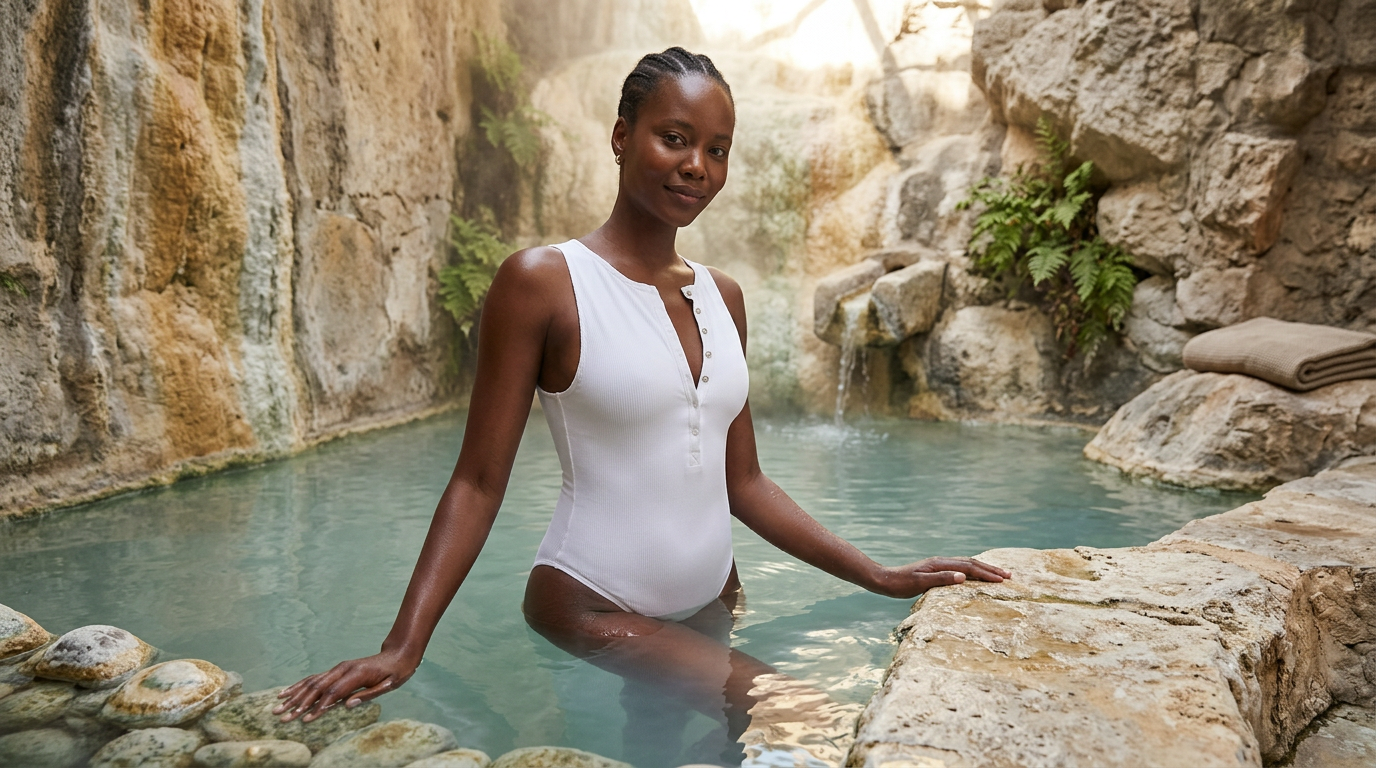
Disclaimer: AI-generated scene; garment reference from retailer product photography.
The Malibu eco nylon — Andie Swim
Reformation — elevated eco swim (green)

Disclaimer: AI-generated scene; garment reference from retailer product photography.
Target — Cupshe one-piece (mass-market eco-adjacent try-on)
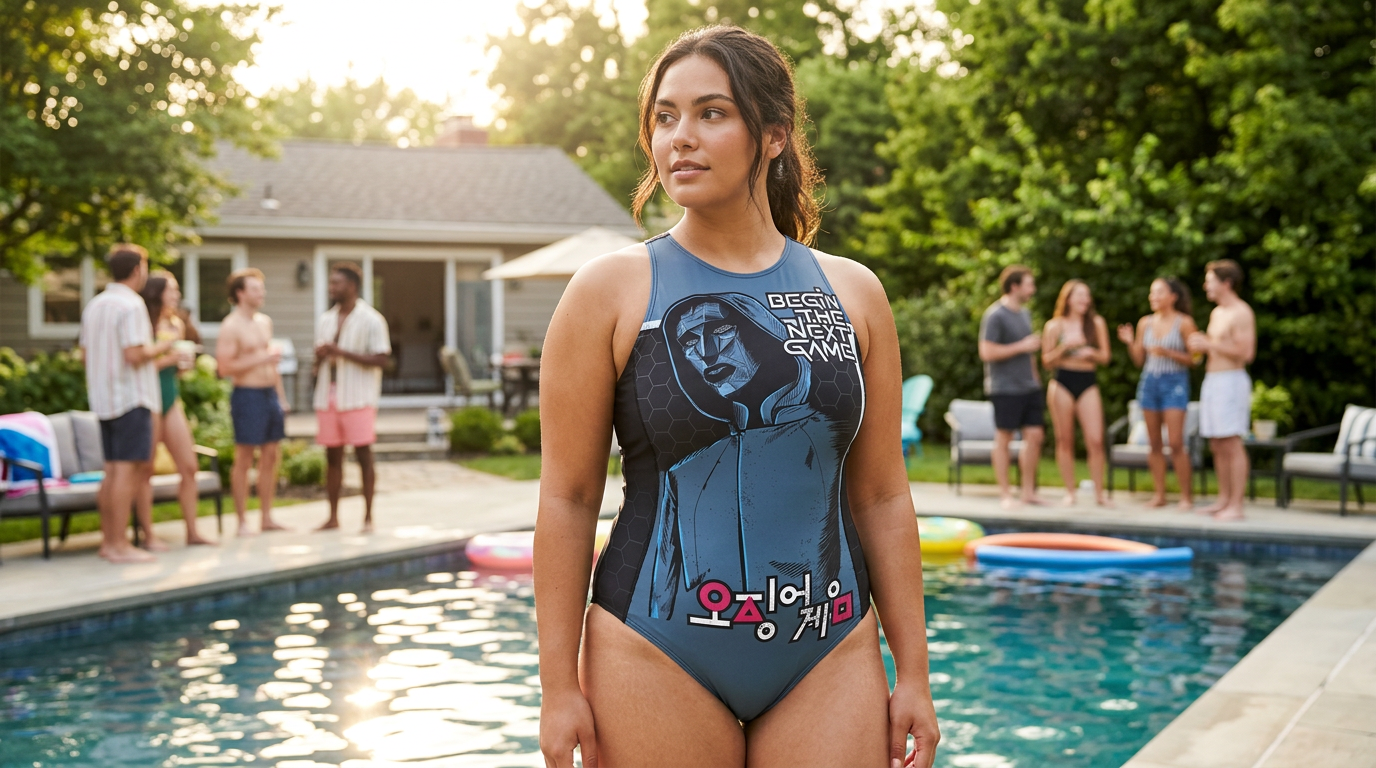
Disclaimer: AI-generated scene; garment reference from retailer product photography.
What's Trending
Sustainable swim is consolidating around recycled polyamide and polyester yarns, certification callouts (for example OEKO-TEX and GRS references in brand storytelling), and transparent-ish sourcing pages that still require you to read actual fiber percentages. Retailers also emphasize inclusive size runs and long-torso options--because "eco" without fit does not survive the mirror.
Why It Matters for Swimwear Shoppers
Swim is hard on fabric: chlorine, salt, sunscreen, and UV all punish elastane. A recycled yarn can still be wrapped in a short-lifecycle garment if the knit is thin or the lining is skimpy. The shopper risk is paying a premium for narrative while getting same-old pilling--especially if care defaults to dryer heat (don't).
What to Buy: Fabrics, Fits, and Features
Start by reading the PDP fiber list: look for recycled content plus enough elastane for recovery--usually double-digit nylon/poly with single-digit spandex is normal. Prefer fully lined suits for light colors; unlined "eco" mesh can go sheer fast. Rinse immediately after pools, cold wash sparingly, and line-dry--this matters more than the slogan on the tag.
If you want lap swimming, prioritize dense knits and secure straps over fashion cuts. If you want resort photos, you can accept lighter fabrics--but rotate suits so one hero piece is not doing every chlorine day.
Key Brands & Examples
Summersalt markets recycled textiles and fit engineering at a mid price--useful when you want structure and size breadth without designer tickets; still read reviews on torso and bust for your block.
Patagonia remains the outdoor ethics reference for shoppers who weight supply-chain storytelling heavily--strong when performance and warranty mindset matter to you.
Sunset and Swim is a boutique lane for vacation-forward silhouettes when you want curated assortments outside big-box eco basics--pair with a certified separates brand if you need pool-training toughness.
Reformation sells elevated swim with ECONYL/bio-based fiber stories--best when you want fashion first and will baby the suit through care cycles.
H&M is the mass entry for conscious capsules--good for trend tests; verify fiber claims on each SKU because diffusion lines change seasonally.
Target is the try-on and easy-return workhorse when you want to compare fits across national brands and collab drops without committing sight unseen.
How to Style It in Real Life
Build two-tier packing: one eco one-piece as the anchor, one separates set for mix-and-match, and a linen layer that hides suit fatigue at lunch. Keep metal jewelry off during swim hours to reduce tarnish and snags on fine knits.
FAQ
Is recycled nylon always better? It reduces virgin plastic demand, but durability still depends on construction and care--recycled does not mean indestructible.
Should organic cotton be my eco swim pick? Usually no for performance swim--cotton holds water and sags; most technical eco swim is synthetic with recycled content.
Do certifications guarantee ethics? They signal testing and standards, but read the scope--a hang tag is not a factory audit you can see.
Can I machine dry "just once"? Avoid--heat kills elastane fast, recycled or not.
Where should skeptical shoppers start? A multi-brand floor or retailer with easy returns, then narrow to the brand whose block fits your body.
The Takeaway
Sustainable swimwear in 2026 is less about a magic fiber and more about honest construction + disciplined care. Use labels as a starting filter, then let fit, lining, and return policy finish the decision.
One line worth saving: recycled yarn is a raw material upgrade--your laundry routine is the longevity upgrade.